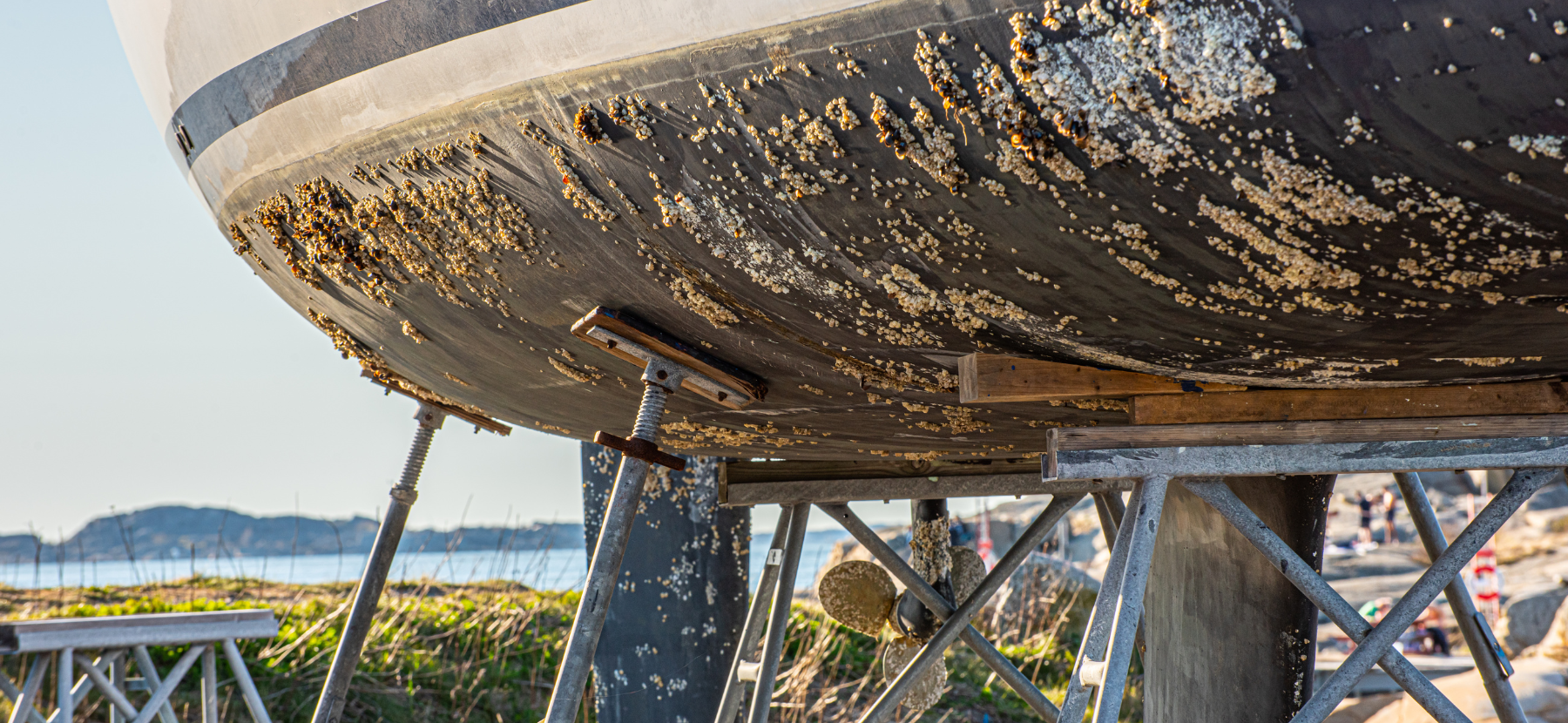
Applying antifouling is crucial for all boat owners who want to keep their vessels in the best possible condition. The biofouling that accumulates on boat hulls can also cause significant speed reduction in increased fuel consumption. Antifouling coatings offer an effective solution to prevent these problems. At Moto-Nautika, we are aware of the importance of protecting your vessel, which is why we offer all types of antifouling coatings for all vessels.
Antifouling coatings do not stick prevent biofouling, but also contribute to preservation of the value of your vessel. Regular use of these coatings ensures that your vessel's hull is always in optimal condition, which reduces maintenance costs and increases sailing enjoyment.
In this article, we will explore in detail what antifouling is, the different types of coatings, the benefits of their use, how to choose the right coating for your vessel, the application process, and common problems you may encounter.
What is antifouling anyway?
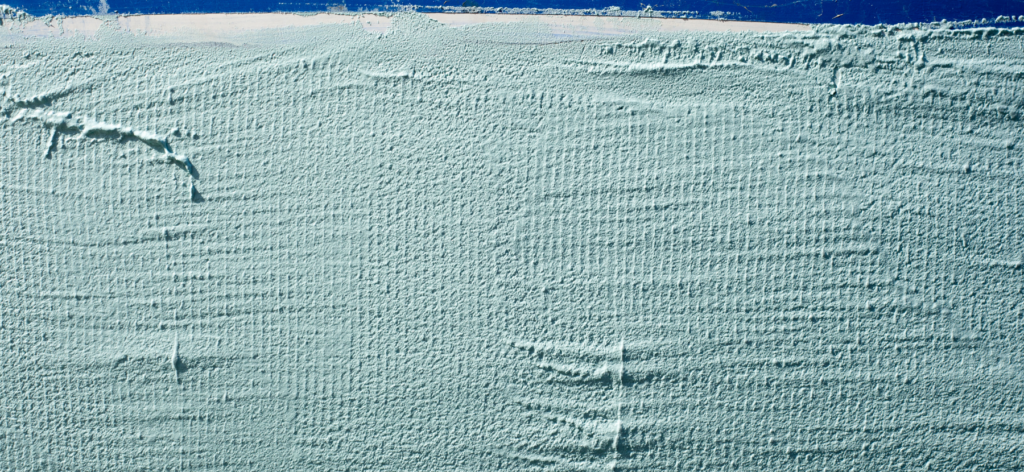
Antifouling means the application of special coatings that prevent the growth of marine organisms on a vessel's hull. These coatings work by creating a surface that is unfriendly to biofouling, either through chemical agents that repel organisms or by providing a smooth surface that prevents their attachment.
The history of antifouling coatings dates back to ancient times, when sailors used various techniques to prevent biofouling on their vessels. Modern antifouling coatings are the result of long-term research and development that have led to effective solutions.
Antifouling coatings work in different ways, depending on the type of coating. Some coatings release chemicals that are toxic to marine organisms, while others work mechanically by creating a surface to which organisms have difficulty attaching.
Types of antifouling coatings
Antifouling coatings are divided into several types, depending on their composition and mode of action. It is important to choose the right coating according to the type and use of your vessel. Moto-Nautika offers various types of antifouling coatings tailored to specific needs.
Hard antifouling coatings
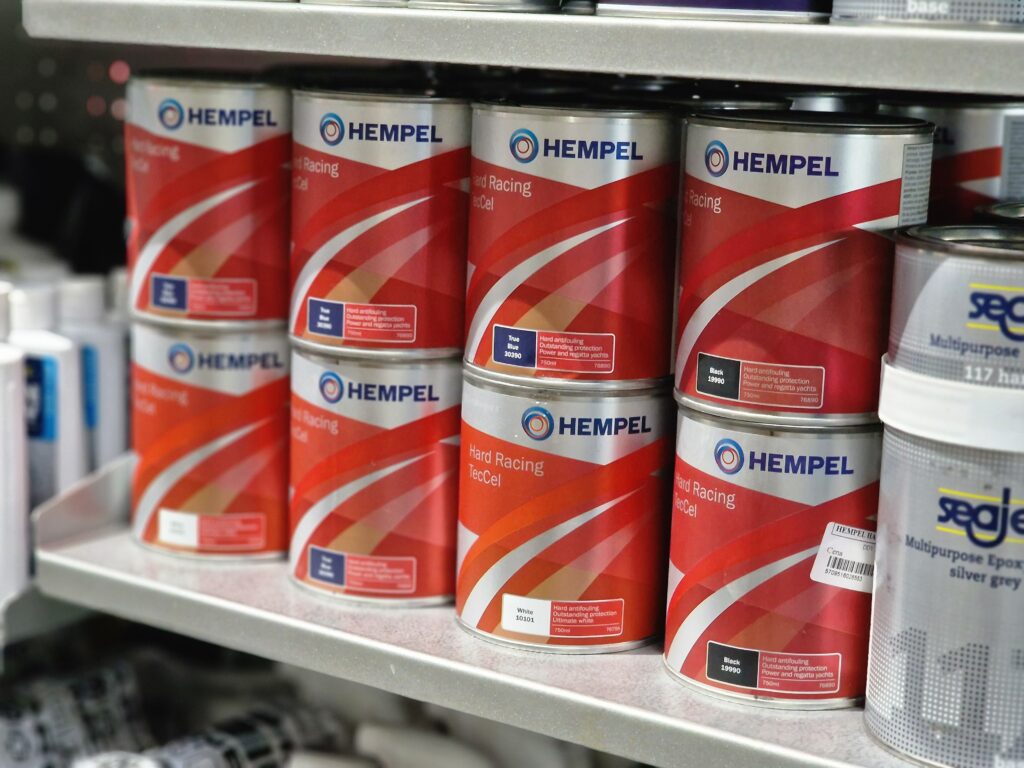
Hard antifouling coatings are known for their durability and long lifespan. These coatings are ideal for vessels that are used frequently and face intense marine conditions. Hard coatings create a strong protective layer that is resistant to mechanical damage and abrasion.
Soft antifouling coatings
Soft antifouling coatings are more flexible and easier to apply. They are suitable for vessels that are not exposed to extreme conditions. These coatings provide good protection against fouling, but they need to be renewed more frequently.
Self-polishing antifouling coatings
Self-polishing coatings are popular due to their ability to gradually wear away, which allows for the continuous exposure of a fresh coating. This ensures long-lasting protection without the need for frequent renewal. Seajet antifouling is one of the leading brands offering high-quality self-polishing coatings that are ideal for various types of vessels.
You can also buy antifouling coating in our online store: HERE
Benefits of using antifouling
The use of antifouling coatings brings numerous benefits that are worth exploring in more detail. For boat owners, it is crucial to understand how these coatings can improve the performance and durability of their vessels and reduce maintenance costs. The company Moto-Nautika offers a wide range of antifouling coatings designed for various types of vessels.
Extension of vessel service life
Antifouling coatings not only protect against fouling, but also against corrosion and other harmful effects of seawater. With proper protection, boat owners can extend the lifespan of their vessels, which means fewer frequent repairs and parts replacements. Antifouling coatings from Moto-Nautika provide long-lasting protection and keep vessels in the best possible condition.
Increased vessel speed
One of the greatest advantages of using antifouling coatings is the increased speed of the vessel. Fouling on the hull causes increased drag, which reduces speed and increases fuel consumption. With the proper application of an antifouling coating, vessel owners can maintain a smooth hull surface, which reduces drag and allows for faster navigation.
Lower fuel consumption
Reducing drag not only contributes to higher speed, but also to lower fuel consumption. Biofouling causes engines to work harder, which increases fuel consumption. Antifouling coatings reduce the need for additional engine power, thereby significantly lowering fuel costs. This is especially important for commercial ships and vessels that are used frequently.
Reduction of maintenance costs
Regular boat maintenance can be expensive and time-consuming, especially if a lot of fouling accumulates on the hull. By using antifouling coatings, the need for frequent cleaning and repairs is significantly reduced. Antivegetative coatings prevent the growth of marine organisms, which means that the boat's hull is less exposed to damage and corrosion.
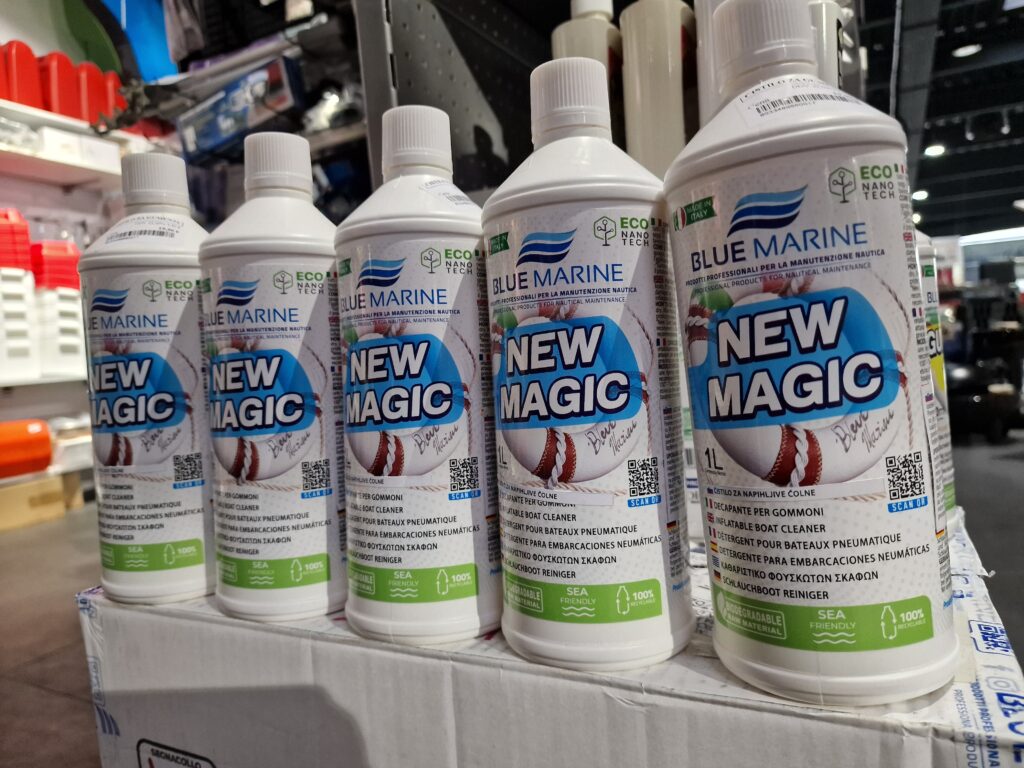
Inflatable boat cleaner:
Eco-friendly solutions
Modern antifouling coatings are designed to be as environmentally friendly as possible. In the past, coatings containing harmful chemicals were used, but today eco-friendly alternatives are available. Moto-Nautika uses coatings that are safe for the marine ecosystem while ensuring effective vessel protection.
Safety and reliability
For boat owners, it is crucial that their vessels are safe and reliable. Fouling can cause hull damage and affect vessel stability. Antifouling coatings ensure that the boat's hull is always in the best possible condition, contributing to the safety and reliability of the vessel during navigation.
Aesthetic appearance
In addition to their functional benefits, antifouling coatings also improve the aesthetic appearance of the vessel. A clean, smooth hull free of fouling looks more attractive and professional. Boat owners who use antifouling coatings can proudly showcase their vessels without worrying about the unsightly appearance of growth.
How to choose the right antifouling coating
Choosing the right antifouling coating is crucial for the optimal protection of your vessel. There are several factors to consider when choosing a coating, including the type of vessel, the conditions in which it is used, and the owner's personal preferences. Factors to consider:
Vessel type
Different vessels have different needs based on their characteristics and purpose of use. Antifouling coatings for speedboats differ from those for sailboats or fishing boats. Speedboats need coatings that provide high speed and reduce drag, while sailboats need coatings that are resistant to longer periods in the water.
Terms of use
The conditions inซึ่ง the vessel is used also play an important role in choosing the antifouling coating. Vessels used in salt water require more resistant coatings than those used in fresh water. It is also important to consider temperature conditions and the presence of marine organisms in a particular region.
The price of antifouling coatings can vary depending on quality and brand. It is important to find a balance between price and quality to ensure long-term protection without excessive costs.
Recommendations for different types of vessels
- Motorboats
Motorboats require antifouling coatings that can withstand high speeds and various operating conditions. Self-polishing coatings are an excellent choice as they provide long-lasting protection and improve the vessel's hydrodynamic properties, contributing to greater fuel efficiency and faster arrival at destinations.
- RIB boats
Inflatables are specific because of the material they are made of. With inflatables, it is important to choose antifouling coatings that are suitable for PVC or Hypalon materials. These coatings provide effective protection against fouling and do not damage the surface of the inflatable. It is also important that the coatings are flexible and durable to withstand the mechanical stress and bending typical of inflatables.
- Fishing boats
Fishing boats are often exposed to harsh conditions, including abrasion and corrosion. Hard antifouling coatings are ideal for fishing boats because they provide durability and a long service life.
Application procedure for antifouling coating
Surface preparation
The first step in applying antifouling coating is proper surface preparation. This includes thorough cleaning of the boat hull, removal of old coatings, and sanding the surface to ensure good adhesion of the new coating.
Cleaning
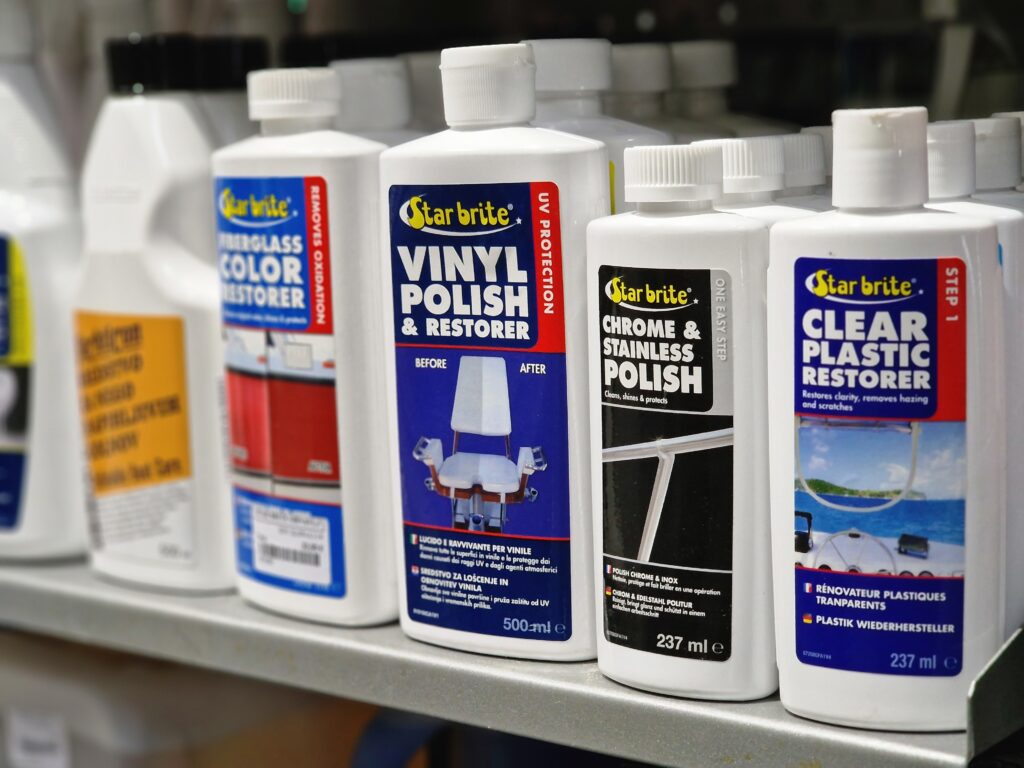
Surface cleaning is crucial for removing dirt, grease, and fouling. Special cleaners and equipment are used to ensure thorough cleaning without damaging the surface.
Grinding
After cleaning, the surface must be sanded to remove residues of old coatings and prepare the surface for the application of a new coating. Sanding is important for good adhesion and an even application of the coating.
Steps for application
After surface preparation, the application of the antifouling coating follows. The process involves several steps that must be closely followed to achieve the best results.
Base coat application
Before applying an antifouling coating, it is recommended to apply a primer that improves adhesion and provides additional corrosion protection.
Nanos antifouling coating
The antifouling coating is applied in multiple coats, depending on the manufacturer's recommendations. Each coat must be applied evenly and must dry completely before the next coat is applied.
Safety measures
When applying antifouling coatings, it is important to follow safety precautions to protect yourself against harmful chemicals and ensure safe work.
Protective equipment
The use of protective equipment, such as gloves, goggles, and a mask, is essential when working with antifouling coatings. These chemicals can cause skin and respiratory irritation, so it is important to ensure adequate protection.
Ventilation
When working indoors, it is necessary to ensure good ventilation to reduce vapor concentrations and ensure safe working conditions.
Moto-Nautika offers professional application of all types of antifouling coatings, ensuring optimal protection for your vessel. Our team uses only the highest quality products and adheres to the highest standards of safety and quality.
You can also purchase boat maintenance and care products in our online store.: HERE.
Common problems and how to solve them
Various problems can occur during the application of antifouling coatings, which can affect the coating's effectiveness. It is important to identify these problems and address them appropriately. Moto-Nautika offers expert assistance in solving these issues and ensures that your vessel is always in the best possible condition.
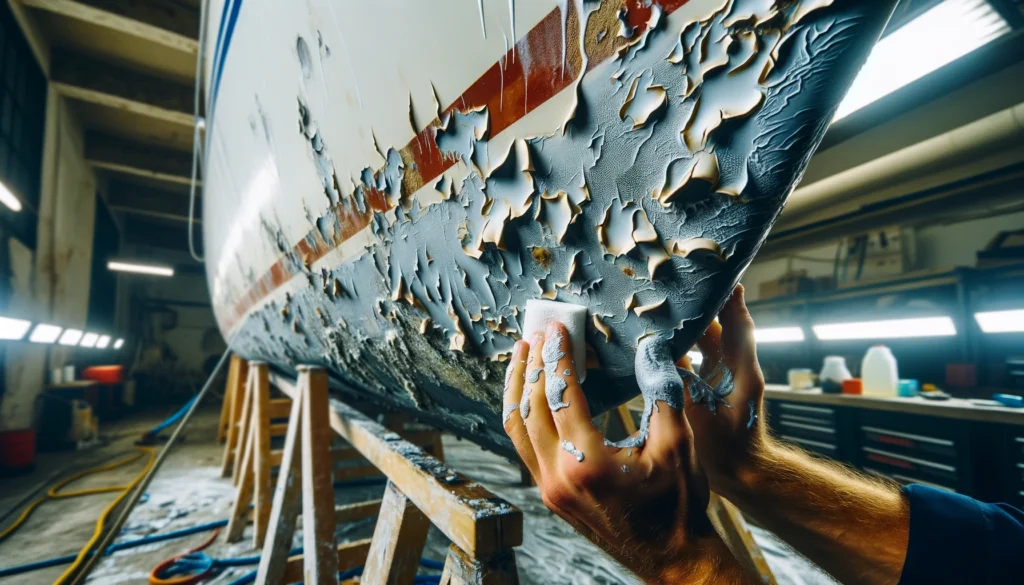
Blistering and peeling of the coating
Blistering and peeling of the coating are common problems that occur due to poor surface preparation or improper coating application. These problems can be resolved with proper surface preparation and correct coating application.
Uneven application
Uneven coating application can result in poorer protection and a shorter lifespan of the coating. It is important to ensure an even application in multiple layers and to follow the manufacturer's recommendations.
How to fix errors
If application errors occur, it is important to correct them as soon as possible. The damaged coating must be removed, the surface prepared, and the coating reapplied. When repairing a PVC boat, it is important to use appropriate materials and techniques to ensure a lasting solution.
Boat maintenance tips
Regular vessel maintenance is crucial for preserving the effectiveness of the antifouling coating. Regular inspection of the coating condition and timely renewal are recommended. With proper maintenance, boat owners can extend the lifespan of the coating and improve the performance of their vessel.
Regular inspections and maintenance
Regular inspections of the coating and hull condition are crucial for the timely detection and resolution of potential issues. It is recommended to check the coating at least once a year and perform minor repairs as needed.
How to extend the effectiveness of antifouling paint?
To prolong the effectiveness of the antifouling coating, it is important to follow a few basic tips:
- Regular hull cleaning: Removing dirt and bio-fouling with regular cleaning helps maintain the effectiveness of the coating.
- Correct application: Following the manufacturer's instructions when applying the coating ensures optimal protection.
- Use of protective equipment: Using additional protective agents, such as protective coatings, can extend the lifespan of the antifouling coating.
Moto-Nautika offers comprehensive vessel maintenance services, which include regular inspections, cleaning, and the renewal of antifouling coatings. Our team of experts will ensure that your vessel is always in the best possible condition.
Antifouling coatings are an essential part of vessel maintenance. They provide protection against fouling, increase the vessel's speed, and reduce fuel consumption. Regular maintenance and the correct choice of coating are crucial for achieving the best results. The company Moto-Nautika offers a wide range of antifouling coatings and professional application, ensuring long-lasting protection for your vessel.
Moto-Nautika is a company with years of experience in the maintenance and restoration of watercraft. Our team of experts is qualified to apply all types of antifouling coatings, regardless of the size and type of vessel. We use only the highest quality products, such as Seajet antifouling, which ensure long-lasting and effective protection.
With proper protection and maintenance, boat owners can extend the lifespan of their vessels and enjoy worry-free sailing. Antifouling coatings are key to preserving the vessel's value and reducing maintenance costs. Moto-Nautika is your reliable partner for all types of antifouling coatings and boat maintenance.

APPOINTMENT RESERVATION
Would you like an offer? Would you like our colleagues to contact you?
Provide us with your contacts and we will take care of everything else: SERVICE